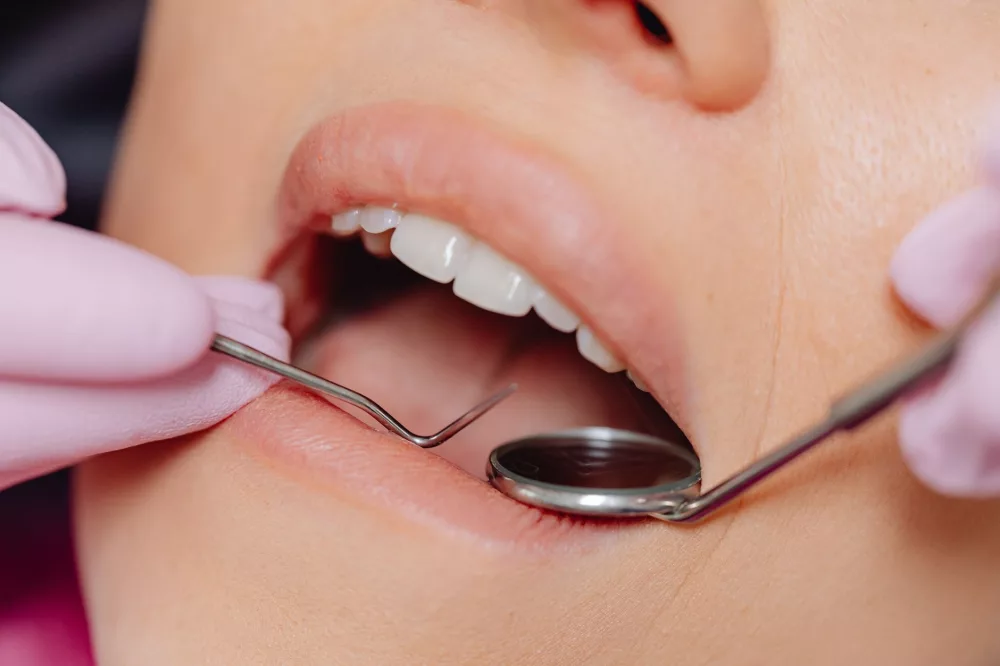
Have you ever found yourself sitting in the dental chair, perhaps a little apprehensive, as the hygienist gets ready for your 'cleaning'? We often call it just a 'cleaning,' but the technical term, and what we're truly doing, is dental prophylaxis. It's a fancy word for something incredibly important for your overall health, not just your teeth. I want to take a moment to explain exactly what dental prophylaxis is, why it's such a big deal, and what you can expect when you come in for your appointment. Honestly, understanding this can really change how you view your regular dental visits.
What Exactly Is Dental Prophylaxis?
So, what are we talking about? Dental prophylaxis, at its core, is a professional cleaning procedure performed by a dental hygienist or dentist. Its main purpose is preventive care. We're not just scrubbing your teeth to make them shiny, though that's a nice bonus! Instead, we're meticulously removing plaque, tartar (which is calcified plaque), and stains from your teeth. These aren't things you can completely get rid of with just a toothbrush and floss at home, no matter how diligent you are. They build up in tricky spots, like below the gumline and in the tiny crevices between your teeth.
Think of it this way: your daily brushing and flossing are like routine maintenance for your car. But every once in a while, your car needs a professional service, right? A deeper clean, an inspection, maybe some adjustments. That's precisely what prophylaxis is for your mouth. It's that vital, professional tune-up that keeps everything running smoothly and prevents bigger problems from developing down the road. We've seen firsthand how a little preventive care can save you a lot of discomfort and expense in the future.
Why Is Regular Prophylaxis So Important For You?
You might be wondering, 'Is it really necessary to go twice a year if my teeth feel fine?' And my answer is a resounding 'Yes!' There are several compelling reasons why I advocate for regular dental prophylaxis:
1. Preventing Gum Disease (Gingivitis and Periodontitis)
This is probably the biggest one. When plaque and tartar build up, they create a breeding ground for harmful bacteria. These bacteria irritate your gums, leading to inflammation, bleeding, and tenderness – that's gingivitis. Left unchecked, gingivitis can progress to periodontitis, a much more serious gum disease that can cause your gums to pull away from your teeth, bone loss, and ultimately, tooth loss. Regular prophylaxis removes these irritants before they can cause significant damage. It's a frontline defense, truly.
2. Keeping Cavities at Bay
Plaque isn't just bad for your gums; it's also responsible for tooth decay. The bacteria in plaque produce acids that erode your tooth enamel, creating tiny holes we call cavities. While brushing and flossing help, professional cleaning targets those areas your brush just can't quite reach. We're literally scraping away the stuff that causes cavities.
3. Banish Bad Breath
Nobody wants bad breath, right? Persistent bad breath, or halitosis, is often a sign of bacteria buildup in your mouth, particularly from plaque and tartar. By removing these bacterial colonies during a prophylaxis appointment, we can significantly improve your breath, giving you more confidence in your daily interactions.
4. A Brighter, More Confident Smile
Over time, coffee, tea, red wine, and other foods can stain your teeth. While prophylaxis isn't a whitening procedure, it effectively removes these extrinsic stains, revealing a brighter, cleaner smile. It's amazing how much difference a thorough cleaning can make to your teeth's appearance.
5. Catching Problems Early
Beyond just cleaning, your prophylaxis appointment is a critical opportunity for us to examine your entire mouth. We're looking for early signs of cavities, gum disease, oral cancer, and other potential issues. Catching these problems when they're small means they're usually easier, less invasive, and less expensive to treat. That's a huge benefit, in my opinion.
6. Protecting Your Overall Health
Did you know your oral health is intrinsically linked to your overall systemic health? We're seeing more and more research showing connections between gum disease and conditions like heart disease, stroke, diabetes, and even certain respiratory problems. Maintaining a healthy mouth isn't just about your teeth; it's about safeguarding your entire body. It's all connected!
What Happens During a Dental Prophylaxis Appointment?
So, you've decided to come in. Great choice! Here's a general rundown of what you can expect during your professional cleaning:
- Comprehensive Examination: First, I'll or your hygienist will typically perform a thorough examination of your mouth. We're checking your teeth, gums, tongue, cheeks, and even your throat for any signs of problems. We'll look for cavities, assess your gum health, and screen for oral cancer.
- Plaque and Tartar Removal (Scaling): This is the main event. We use special instruments, often ultrasonic scalers and hand scalers, to meticulously remove plaque and tartar deposits from above and below the gumline. You might feel a little pressure, but it shouldn't be painful.
- Teeth Polishing: After scaling, we'll use a high-powered electric brush with a gritty toothpaste to polish your teeth. This removes any remaining surface stains and smooths the tooth surface, making it harder for plaque to stick. It also makes your teeth feel wonderfully smooth and clean.
- Flossing: We'll then thoroughly floss your teeth to remove any plaque or paste residue from between your teeth and confirm there are no rough spots.
- Fluoride Treatment (Optional but Recommended): Depending on your individual needs, we might recommend a fluoride treatment. Fluoride helps strengthen your tooth enamel, making it more resistant to decay. It's particularly good if you're prone to cavities.
- Oral Hygiene Instructions: Finally, we'll provide personalized tips and recommendations for improving your at-home oral hygiene routine. We're here to help you get the most out of your daily efforts.
How Often Should You Get a Prophylaxis?
For most people, the standard recommendation is to have a dental prophylaxis every six months. This frequency is usually ideal for preventing plaque and tartar from building up to problematic levels. However, I want to stress that this isn't a one-size-fits-all rule. If you have certain risk factors, like a history of gum disease, compromised immunity, or are particularly prone to cavities, we might recommend more frequent visits, perhaps every three or four months. We'll always discuss what's best for your unique oral health needs.
Some Common Questions I Hear
I often get asked if prophylaxis hurts, or if it wears down enamel. It's true that some people experience sensitivity during or after a cleaning, especially if there's significant tartar buildup or if they have sensitive gums. However, we always strive to make the procedure as comfortable as possible, and any discomfort is usually temporary. As for wearing down enamel, absolutely not! Our instruments are designed to remove deposits, not tooth structure. We're very careful; our goal is always to preserve your natural teeth.
Bringing It All Home: Your Part in Oral Health
While professional prophylaxis is indispensable, I can't emphasize enough that it's just one part of the equation. Your daily oral hygiene routine at home is equally critical. Brushing twice a day with fluoride toothpaste, flossing daily, and eating a balanced diet work hand-in-hand with your professional cleanings to maintain optimal oral health. Think of us as your partners in this journey. We provide the expert cleaning and guidance, and you do the diligent work at home. Together, we can prevent a host of dental problems.
Ultimately, dental prophylaxis isn't just about getting a 'clean' feeling; it's about investing in your long-term health and well-being. It's about preventing pain, saving money on potentially more extensive treatments, and maintaining a healthy, beautiful smile that you can be proud of. So, when your next dental appointment rolls around, remember you're not just going for a 'cleaning' – you're giving your health the professional attention it deserves. Don't put it off; your smile will thank you!