Unlocking the Future: What Exactly is SmartPass?
You know, for the longest time, physical keys and clunky ID cards were just, well, the norm. We didn't really question them. But then, as technology zoomed forward, we started looking for smarter ways to handle access, to manage identities, and to just make things smoother. That's where SmartPass comes into the picture, and honestly, it’s not just a fancy gadget; it’s a whole ecosystem designed to streamline our daily interactions with secure spaces and services. I think it represents a significant leap from traditional methods, bringing together cutting-edge tech to offer a seamless, secure, and incredibly efficient experience.
Essentially, SmartPass refers to an integrated system that uses advanced digital technologies for identification, authentication, and authorization. It isn't a single product, but rather a concept encompassing various solutions like mobile credentials, biometric scans, and smart card integrations. My job today is to really break down what makes SmartPass so special and why it’s becoming absolutely essential across so many industries.
The Journey from Keys to Digital Credentials
I remember a time when losing your keys meant a complete headache. Or forgetting your ID badge for work? Total nightmare, right? Our old systems were often cumbersome, prone to loss, and sometimes, surprisingly insecure. Think about it: a lost key is a lost key, anyone can pick it up. Traditional access control systems, relying on metal keys or simple magnetic stripe cards, faced inherent limitations. They lacked real-time monitoring capabilities, offered limited flexibility for dynamic access changes, and were often pretty expensive to manage at scale.
We saw the rise of RFID cards and then NFC, which were definite improvements. But SmartPass takes all that foundational tech and pushes it further. It's about creating a truly unified and intelligent system where your identity isn’t just verified at a single point, but can be seamlessly managed across multiple platforms and touchpoints. It’s a holistic approach, which I personally find really exciting, because it solves so many of those legacy problems we used to just accept.
Understanding the Core Technologies Powering SmartPass
So, how does SmartPass actually work its magic? It’s a blend of several sophisticated technologies, often working in concert. I'm talking about some serious innovation here:
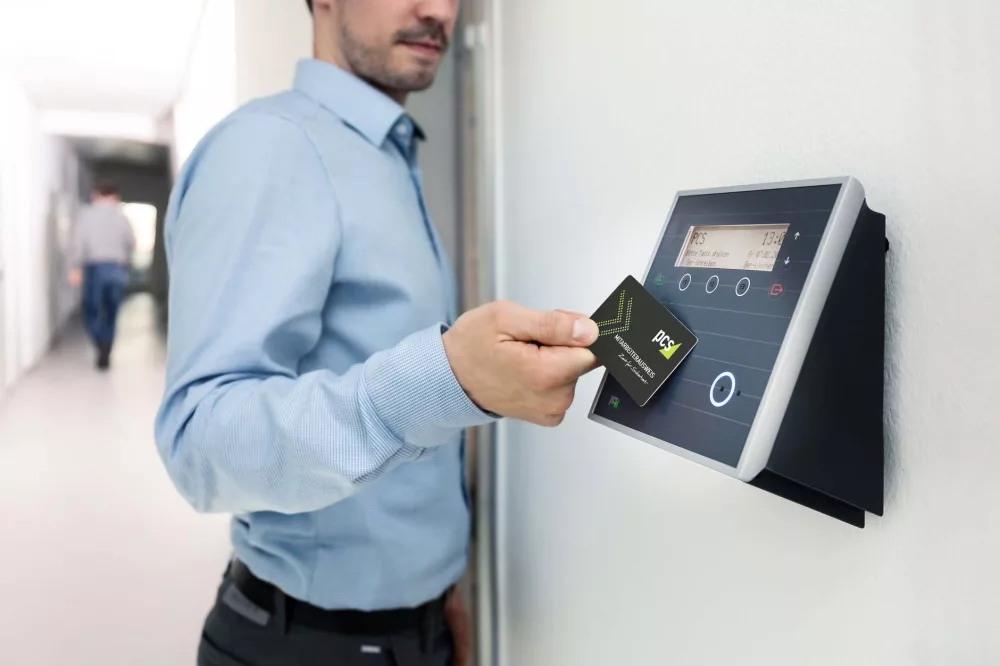
- Near Field Communication (NFC) & Radio-Frequency Identification (RFID): These are probably the most common. Your phone, or a smart card, can communicate with a reader simply by being close to it. It’s super fast and incredibly convenient, like tapping your credit card.
- Biometrics: This is where it gets really personal. Fingerprint scans, facial recognition, iris scans – these methods use unique biological characteristics for authentication. They offer a very high level of security because, well, you can't really lose your face, can you?
- QR Codes & Barcodes: Simple yet effective, these are often used for temporary access or ticketing. We see 'em everywhere these days, from boarding passes to event entries.
- Cloud-Based Platforms: This is crucial. By managing access credentials and user data in the cloud, SmartPass systems offer incredible flexibility. Administrators can grant or revoke access instantly, from anywhere, which is a game-changer for large organizations.
- Mobile Credentials: Your smartphone becomes your access pass. Through secure apps, your phone can store and transmit your identity data, making it super easy to get around without needing an extra card.
It’s this combination that lets SmartPass be so adaptable and secure. Each technology plays a vital role in building a robust identification and access infrastructure.
The Undeniable Advantages of Adopting SmartPass Solutions
Why should we even bother with all this new tech? Well, the benefits are pretty compelling, if you ask me. We're not just talking about convenience here; it's about significant improvements across the board.
Enhanced Security Measures
Let’s be real, security is a big deal. With SmartPass, we’re seeing a dramatic uptick in protection. Multi-factor authentication, encryption of data, and real-time monitoring capabilities make it much harder for unauthorized individuals to gain access. If someone tries to force entry, the system can instantly alert security personnel. That kind of immediate response wasn't really possible with older methods.
Unmatched Convenience and Operational Efficiency
Think about how much time is wasted fumbling for keys or swiping a badge that doesn't quite work. SmartPass eliminates a lot of that friction. People can move through checkpoints faster, reducing queues and improving overall flow. For administrators, it means less time spent managing physical credentials and more time on, well, more important stuff. We’re talking about serious time and energy savings for everyone.
Powerful Data Analytics and Insights
One of the really cool aspects, in my opinion, is the data. SmartPass systems generate valuable data on access patterns, user traffic, and security incidents. This information can help organizations optimize their operations, improve resource allocation, and even identify potential security vulnerabilities before they become big problems. Understanding how people move through a building or interact with services can be incredibly insightful.
Scalability and Future-Proofing
Traditional systems often struggled with expansion. Adding more users or new access points could be a huge undertaking. SmartPass, being digitally native, is incredibly scalable. You can easily add or remove users, integrate new facilities, or update security protocols with minimal disruption. It’s built to grow with an organization, making it a smart long-term investment.
Where We’re Seeing SmartPass Make a Real Difference
It's not just a concept, folks; SmartPass is being implemented right now in so many diverse environments, changing how we interact with the world.
- Corporate Offices: Employees use their mobile phones or smart cards for building entry, accessing specific departments, and even clocking in and out. It streamlines the whole workday.
- Educational Institutions: Students and staff can use a single SmartPass for dormitory access, library services, meal plans, and even attendance tracking. It’s super comprehensive.
- Public Transportation: Contactless payment and ticketing systems, often leveraging SmartPass tech, allow for quick and seamless travel across buses, trains, and subways. I use mine all the time!
- Healthcare Facilities: Secure access to sensitive areas, patient record kiosks, and even medication dispensing can all be managed through SmartPass, enhancing both security and efficiency.
- Event Management: From concerts to conferences, digital tickets and access control systems make entry smooth, reduce fraud, and provide organizers with real-time attendance data.
The applications are truly limitless, and we're just scratching the surface of what’s possible.
Navigating the Roadblocks: Challenges and Considerations
Now, it’s not all sunshine and rainbows. Like any advanced technology, SmartPass comes with its own set of challenges that we absolutely need to address.
Privacy Concerns and Data Security
When you're collecting biometric data or tracking access patterns, privacy quickly becomes a major talking point. Organizations must ensure robust data encryption, strict access controls for administrators, and complete transparency with users about how their data is being collected and used. Building trust is paramount here.
Initial Implementation Costs
Upgrading from legacy systems to a full-fledged SmartPass solution can involve a significant upfront investment in hardware, software, and training. While the long-term benefits often outweigh these costs, it's a hurdle many organizations face when considering the switch.
Interoperability and Standardization
Different vendors often use different proprietary technologies, which can sometimes make it tricky to integrate various SmartPass components or to switch providers. We're still working towards more universal standards, which would certainly make things smoother for everyone involved.
User Adoption and Training
People are naturally resistant to change, right? Introducing a new system, even a better one, requires proper training and clear communication to ensure everyone understands how to use it and feels comfortable with the new protocols. We've got to make it easy for folks to get on board.
The Horizon: What’s Next for SmartPass?
I feel like we’re just at the beginning of the SmartPass journey. The future looks incredibly promising, with integration points we're only just starting to imagine. I predict we'll see even greater adoption of AI and machine learning to predict access needs, identify unusual patterns, and personalize security even further. Imagine a system that knows your typical routes and flags anything out of the ordinary automatically. We'll also see deeper integration with the Internet of Things (IoT), where SmartPass doesn't just open a door, but also adjusts lighting, temperature, or even starts your coffee machine as you enter a space. Hyper-personalization is definitely on the way.
Ultimately, SmartPass isn’t just about getting through a door anymore. It’s evolving into a comprehensive platform that will reshape how we interact with our physical and digital environments, making them safer, smarter, and incredibly more user-friendly. We're building a world where identity and access are managed intelligently, and I think that's a pretty cool place to be.